


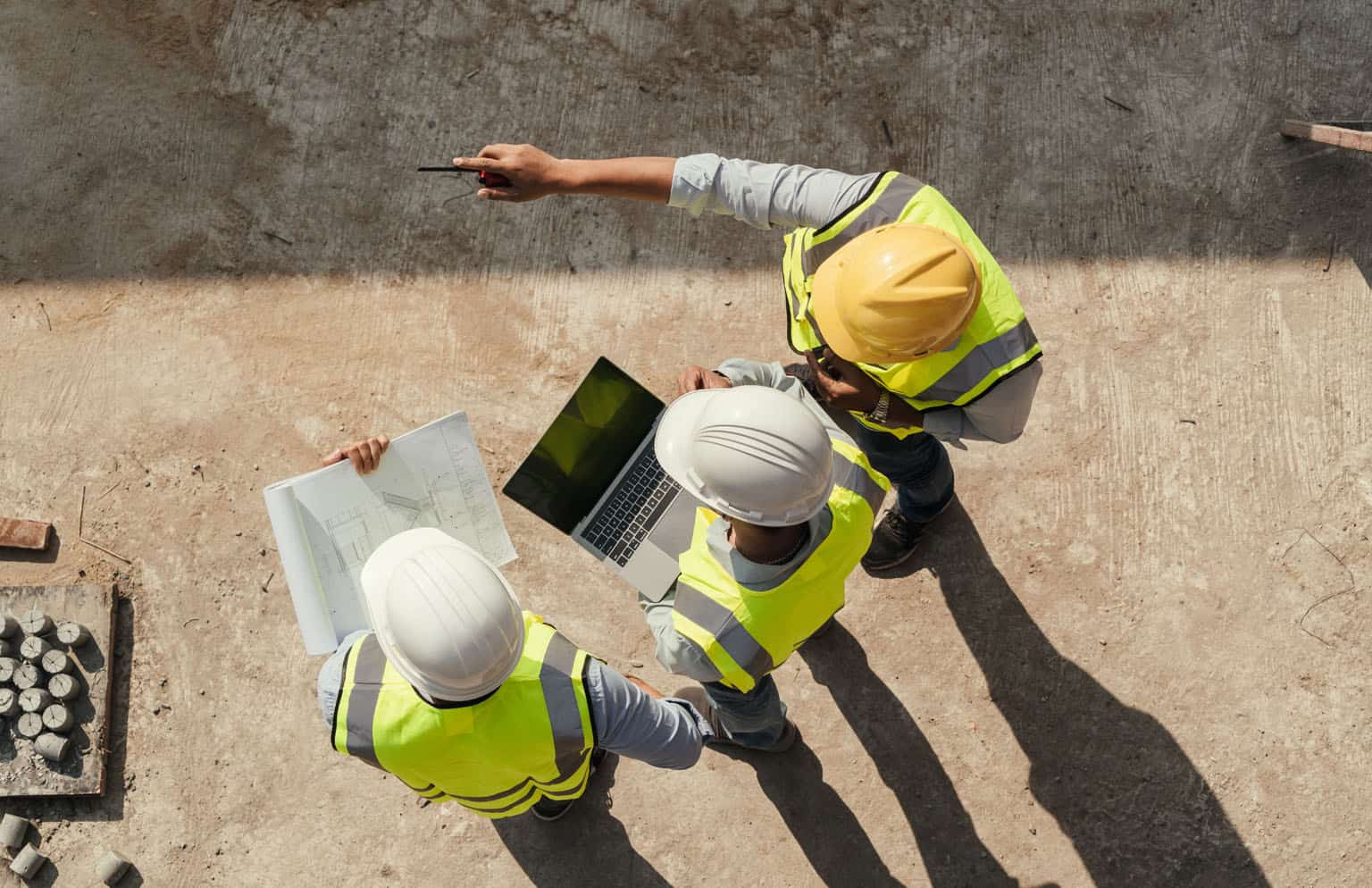
How We Foster Collaboration Between Office and Field Teams
Every successful construction project starts with one key component: alignment. At Dowdle, we know that when our office and field teams are working toward the same clearly defined goals, everything else, including quality, timing, safety and budget, falls into place more smoothly. That’s why we bring everyone to the table early. From superintendents and foremen to project managers and estimators, each person’s perspective shapes a project plan that’s both ambitious and realistic. This kind of early collaboration helps us avoid surprises and gives our teams a shared sense of ownership from day one. Whether it’s deciding on a delivery timeline or evaluating a material choice, every voice is heard so we can move forward together with confidence.
Getting on the Same Page: Setting Shared Goals
Good teamwork begins when everyone knows what they’re trying to achieve. From the earliest stages of a project, we prioritize aligning both office and field teams around shared goals, whether we’re hitting a critical deadline, staying within budget or ensuring quality and safety standards are met. Before construction starts, we get the superintendents, foremen and other field staff involved in planning, not just the project managers and estimators. Their real-world experience helps us spot possible problems ahead of time. What they say early on can change decisions, such as material choices and how we build things.
We have meetings where everyone from the office and field can share ideas, ask questions and get on the same page. This sets the groundwork, which makes for better communication and teamwork as the project progresses.
Using Tech for Real-Time Communication
Clear, timely communication is one of the biggest drivers of project success and technology helps us make it happen. We use a range of digital tools to keep our office and field teams connected in real time. In the field, the teams can see schedules and daily updates on their phones or tablets. If anything changes, they know immediately without having to call or return to the office.
At the same time, our office staff can instantly see what’s going on at the job site, which helps streamline decision-making and reduce delays. These tools minimize communication-based mistakes and confirm everyone’s on the same page. By using technology, we keep things running smoothly from start to finish. We believe that technology won’t replace builders, but builders who use technology will replace those who don’t.
Building Bridges Between Office and Field Teams
Tools and procedures are key, but real teamwork comes from solid relationships. We ensure our office and field teams respect and trust each other. It begins with understanding what each group brings to the table.
We suggest that office team members visit job sites often to understand site conditions, team dynamics and the day-to-day realities of construction. Likewise, we ask field team members to join office meetings when they can, so they can share their thoughts and participate in discussions that impact their work.
Beyond work tasks, we strengthen personal bonds through team lunches, company events and celebrations of project wins. These efforts foster a culture of shared success and help us feel like we’re winning together.
Let’s Get Better Together: Closing the Loop
The best way to improve is by listening to the people doing the work. We prioritize closing the feedback loop between field and office teams. We actively seek input on what worked, what didn’t and what we can do better next time.
By making feedback a two-way street, we empower our teams to learn from each other and raise the bar together continuously. These conversations often lead to valuable adjustments in how we schedule work, manage materials or communicate changes, leading to improvements that benefit every project moving forward for both teams.
At Dowdle, we know that the best builds happen when office and field teams work together as one. We set common goals, chat in real time, build solid bonds and always provide feedback. When everyone is on the same page, we deliver smarter, safer and more successful projects as a unified team.